Monday, 16 February 2015

AN OCTOPUSSY SURPRISE!

AN OCTOPUSSY SURPRISE! 


Look what we found as we waited to be ferried across the Savitri River! While looking for mud-skippers at the Bankot creek this octopus made a surprise appearance! We went crazy photographing this beautiful creature! 

Commonly known as 'Monsters of the Sea' these molluscs are abundantly found in tropical warm waters. These active predators are considered among the most intelligent invertebrates. They feed on crabs, shrimps and lobsters and can even attack sharks. They drop on their prey and with the help of the suckers on their arms pull the organism into their mouth. Their saliva is venomous and helps to subdue the prey. The Octopus is known for its defence mechanism. When threatened it releases an inky fluid from the ink sac which darkens the water and helps it escape. At times the octopus can lose its arm to escape the predator and re-grow it later without any permanent damage!

Photo: Vikram Vyawahare

Photo: Vikram Vyawahare

Photo: Aniket Sayam
Our next trip to experience the Turtle Festival at Velas is coming up on 7-8 March 2015. More details on our Facebook page! 


Friday, 6 February 2015

Fish Auction @ Harnai

FISH AUCTION AT HARNAI BEACH

A photo-feature by Vinit Godbole

Harnai or more commonly Harne is a coastal village in the Ratnagiri district of Konkan. It is around 15 km from Dapoli and neighbors beautiful beaches of Murud, Karde and Anjarle. Being one of the natural harbors, Harnai is an ideal wharf for fish trading. The fish auction at Harnai village is one of the most sought after events in the area and is a daily custom held in the morning from 7 am to 9 am and in the evening from 4 pm to 7 pm. The market is known to sell different varieties of fish like Pomfret, Surmai, Tiger Prawns, Squids, Lobsters, Sting rays, Mackerel, and many more. The auction lures many travelers and photographers. Tourists can indulge in the fish fest of betting and auctioning. Apart from fish, Harnai is also known for the magnificent Harnai Fort located on the northern front of the village.


Find this destination in the Uncharted Konkan Lands itineraries with The Western Routes. More details on www.thewesternroutes.com/tours

Tuesday, 27 January 2015

Velas – The Turtle Village!

Velas – Village of Turtles & More! 

By Jayesh Paranjape


There are some wildlife spectacles or events around the world that are a must-see or must-experience for a wildlife enthusiast like me. Be it the Great Migration at Serengeti in Africa, Brown Bears feasting in Alaska, King Penguin rookery at St. Andrews Bay or the Olive Ridley Turtles nesting and hatching in Orissa. As a kid, I had heard about the Olive Ridley Turtles who swim for thousands of miles and make their way to the Gahirmata Beach in Orissa to lay eggs and dreamt of visiting this place one day. I always wondered how it would be to witness an Animal Planet-like moment when tiny turtle hatchlings, make that journey from the hatched egg to the sea. 

Photo: Anshul Khandelwal
Of course I had never heard or imagined that the Olive Ridleys also had sporadic nesting sites across the western coast too. In 2008, when I was working with Sanctuary Asia (a leading wildlife magazine) I received an invitation to attend the first ever ‘Turtle Festival’ at Velas village in Maharashtra. It was almost like a dream come true. Unfortunately due to busy work schedules, I never got a chance to visit the festival. Since then, every year during March & April, my Facebook newsfeed was occupied by photographs of turtle hatchlings being released and making their way to the sea. In 2012 after a short stint in the UK where I studied responsible tourism management (and often spoken about the eco-tourism model of the turtle festival in Velas), I returned to India and got a chance to visit Velas for the turtle festival! And I got so hooked on to the whole concept that I have been visiting Velas every year since then.

Plus Valley at Tamhini Ghat
We started our journey from Pune early on a Saturday morning. We decided to take the Tamhini Ghat route from Mulshi which is the shortest route to reach Velas by road (around 180 km). The road condition was a bit dodgy, but the stunning views of the valley made up for the bad roads. After a 4 hour bumpy ride through the Tamhini Ghat-Mangaon-Mandangad-Bankot route, we finally arrived in Velas for lunch. We were welcomed by Sunil Darge and his family who were to be our hosts for the next 2 days. After a quick round of chai, we set out to explore the village. 


Velas is the quintessential Konkani village with low thatched sloping roofs, spotless and clean dung-smeared courtyards, narrow roads lined with jackfruit trees and backyards full of coconut, betel nut, kokam and mango trees. Velas is the birth place of Nana Phadnis, one of the most influential ministers of the Maratha Empire during the Peshwe administration. There is a small ‘smarak’ or shrine dedicated to him at his birth-house. Apart from this, there are 2 temples one can visit while in Velas - Shri Bhairi-Rameshwar temple built by the Peshwas and the Mahalaxmi temple which also plays host to a slide show and a film screening in the evening during the turtle festival. 


After a sumptuous home-cooked lunch, which was served on banana leaves, we headed to the Bankot Fort which is around 5 km from Velas. The fort which is strategically located overlooks the sea as well as the Bankot creek of the Savitri River. The view from the fort is stunning, particularly if you visit it early in the morning or late afternoon. A consistent historical timeline or the origin of the Bankot fort is not known. The fort was known to be under the control of Adilshahi and later in 1548, the Portuguese took control over it. The Marathas, under the leadership of Kanhoji Angre took control over Bankot and rechristened it as Himmatgad. When the British took over the fort, the name was changed to Fort Victoria. With its stunning views of the sea and the river, the Bankot fort is a must-visit while one is at Velas. 


After exploring the village and the fort, we headed to Velas beach to see the release of the turtles. The release of turtles happens twice a day – at 6 am and 6 pm. The protection of eggs and marine turtle conservation in Maharashtra was started by a Chiplun based NGO called Sahyadri Nisarga Mitra (SNM) in 2002. The conservation story goes something like this. In February 2001, SNM found evidence of around 35 turtle nests at Velas. Unfortunately they also found that poaching of turtle eggs was quite high as egg poaching is a traditional practice for some communities along the coast of Maharashtra. Add to this, predation of eggs by stray dogs, jackals and crows. In 2002, SNM decided to undertake protection and conservation of turtles at Velas. In first year they protected around 50 nests of the Olive Ridley Turtles and released more than 2700 hatchlings in the sea. Every year, volunteers from SNM patrol the beaches for evidence of nests in the months of December & January. They manually shift the eggs to a protected & barricaded patch on Velas beach and recreate the nest conditions here. Nature takes its course and in around 50-55 days, the eggs hatch and the turtles are ready to make their way to the sea. In 2008, SNM joined hands with the Gram Panchayat at Velas, the residents of Velas village and the forest department office to organize the first ever Turtle Festival. The local community agreed to open their homes and provide accommodation and home-cooked meals to the tourists who come to the festival. They also agreed to donate a part of their earnings and their valuable time and energy for the cause of turtle conservation. The turtle festival at Velas is one of the few examples of community-based eco-tourism in our country. 


In the evening we were lucky to witness the release of more than 40 turtle hatchlings. It is an amazing experience to witness the first walk of these turtles. The Olive Ridley Turtles are an endangered species named for their olive green colour. These turtles migrate thousands of miles once every year for arribada i.e. to lay eggs on the same shore where they had hatched around 15 years back! When the eggs hatch, the hatchlings make their way to the sea and in the process the large quantities of magnetite in their brains helps them to read the Earth’s magnetic field so that they can navigate back to the same shore to nest. It is estimated that approximately one turtle survives to reach adulthood for every 1000 that enter the sea. What a fascinating species! 


Photos: Anshul Khandelwal
Photo: Anagha Bodas
After experiencing the release we came back to our homestay and enjoyed a piping hot meal of jackfruit vegetable with lots of coconut, rice bhakri and of course the Konkani prawn curry made by Sunil’s wife. The next day at 6 am we were back on the beach and saw another 2 hatchlings make their way to the sea. As these two hatchlings made their way to the sea, they were followed by cameras. After lunch we started our journey back en-route Harihareshwar. The ferry boat ride from Bankot to Bagmandla is worth a visit. On the short ferry ride you can sit atop the viewing gallery and beat the heat with a kokum sarbat (juice) which is sold on the boat along with hot yummy wada pav. 


When we reached Pune, I slept peacefully and dreamt of those 2 hatchlings. I dreamt that they had survived against all odds, reached adulthood and had come back to Velas for nesting. After my first visit in 2012, I have gone back to Velas every year for the Turtle Festival and convinced more and more people to join me on these trips! At Velas it is not just about the turtle festival but so much more – the rural life, the food, the history and most importantly the people.

This article was first published for Citadel Magazine, Pune Edition and republished in 'Routes & Trails' July 2014 issue.

Saturday, 3 January 2015

10 THINGS TO DO AROUND AURANGABAD

10 THINGS TO DO AROUND AURANGABAD

By Jyoti Shetty & Nala Ponappa

Aurangabad (once known as Daulatabad) was the capital of India under Muhamad bin Tughlaq for quite some time before it got shifted to Delhi. Aurangabad translates as “Built by the Throne” named after Mughal Emperor Aurangzeb whose tomb is enshrined in the city. With highest number of visitors and tourists in Maharashtra, Aurangabad has been declared as the tourism capital of the state. 

Aurangabad is quite a chaotic town with hooting cars and two wheelers, unkempt and in spite of lack of signboards we somehow managed to weave across several famous sites to explore in and around the city. Aurangabad is brimming with heritage and history. Every corner, every hill has the past to remind, that being a town with Mercedes and BMW as maximum orders is not enough!

1. DAULATABAD


Photo: Jyoti Shetty/Nala Ponappa
Photo: Nimish Patil


Daulatabad is about 16 km from Aurangabad, en route to the Ellora caves. The first glimpses of the ancient rampart walls are visible, towering at a distance. The climb to Daulatabad, is around 600 steps and snakes around a high pyramid of a hill that dominates the landscape. The fort is unique in its terrain, for its only path up, as one climbs higher leads to different facets of the fort, as it now slowly begins to unravel its mystery and remind one of the somber events of what took place at the fort when enemies ventured in.  Start this trek to Daulatabad Fort early morning when there is less of a crowd. All around the fort, inside the citadel, from temples, to step wells, ruined palaces, museum at the Chand Minar, canons at various points, royal hamams, an ancient bridge across the moat, secret paths, bring on the myriads of character to Daulatabad Fort.


2. ELLORA CAVES


With 34 caves to explore, Ellora caves are predominantly divided in 3 main segments. Caves 1-12 are Buddhist, the Hindu from 13-29, and the Jain, 30-34. The car park as you enter is an easy walk to the largest of the Hindu caves, which is mid-way along the linear north south alignment of the array. It is actually a temple (cave 16) and a most amazing at that. Preferable to start from this point, and then cover the south and middle series. Kailasha or Shiva’s abode is an incredible replica of wood translated into a timeless permanence in stone. It’s one of the largest monolithic structure carved from the top downwards, taking a 100 odd years to complete, the task of such a stupendous nature, chiseling the hard volcanic granite into a temple complex, a marvelous feat! Ellora reflects the harmony that existed between the three religions of the era, the Brahamanical series were excavated between the 7th and 8th century, the Buddhist caves that were executed even earlier, all of which left a distinct mark in stone.


3. BIBI KA MAKBARAH


The Bibi Ka Makbarah was built by Aurangzeb’s son Azam Shah in memory of his mother between 1651 to 1661 and was modeled on the Taj Mahal at Agra. The exterior is simple and not as grand as the Taj. An octagonal screen of perforated marble which encloses the tomb and the marble dome are the only structures of marble, the rest of the walls are of plaster. Even so, this is definitely worth a visit when you are in Aurangabad. 


4. KHULDABAD


Photo: Jyoti Shetty/Nala Ponappa
Around Daulatabad the tomb of Aurangzeb in Khuldabad is quite a revered site. Mid way from Daulatbad and Ellora a path less known leads to the simplest of tombs. Aurangazeb epitomizes simple lines in all his architecture, a very pious man, his last wishes to his resting place was explicit, as legends say the few rupees he earned by selling caps!

5. AURANGABAD CAVES


Many tourists skip the Aurangabad caves owing to the steep climb combined with difficult approach. Close to the Bibi Ka Makbarah, the Aurangabad Caves were cut between 6th-and 8th century. The tedious climb can be worth it to see these less celebrated caves. Some of the sculptures are famous and a great introduction to the Ajanta caves.

6. PANCHAKKI


The Panchakki is a unique watermill that was used during Mughal times, mainly to grind grain for the pilgrims. Built in 1624 A.D. to commemorate a Muslim Saint Baba Shah Muzaffar, who was the spiritual guide to Aurangzeb. Used on the principles of siphoning which the Mughals excelled in, well laid out clay pipes were used for as long as 11 km. The water (from the Harsul River) travels through these pipes and is made to fall into the Panchakki cistern from a height in order to generate the necessary power to drive the mill. Today, it has become a tourist attraction and is a great place to relax and walk around in the evenings.

7. GHRISHNESHWAR


Ghrishneshwar Temple is situated just near Ellora caves, and is one of the 12 Jyotirlingas. Built in the 7th century by Ahilyabai Holkar the temple is quite ornate. The temple entrance has immense carvings and leads to a courtyard. The temple strangely is built half in red sand stone and rest plaster of lime. The shivlinga is a naturally formed and is one of the most revered sites for shiv-bhakts.

8. AJANTA CAVES


To me the Ajanta Caves were the icing on the cake, a must visit when in Aurangabad. The Ajanta Caves are around 105 km away from Aurangabad and takes approximately 3 hours to reach there. A very impressive driveway greets as one enters the parking area, neatly planned by MTDC, a large parking space, rows of shops, and a neat café, where tourists from across the globe throng here. Ajanta caves are a UNESCO world heritage site. Cars are allowed up to a certain point only. Just past the car-park and the shops are well-stationed bus bays, where every 10 minutes one is driven to the foot of the hill leading to the caves and back for a nominal fee. This is a four km ride. It is mandatory. 


Ajanta Caves were built between the 2nd and 6th century BC, The caves fell into disuse to be slowly taken over by forest growth over the later centuries. Stumbled upon accidentally by a group of British soldiers out on a hunting mission in 1819, these Buddhist rock hewn caves are carved out of a horse shoe shaped rock face, rising above a deep gorge and ravine, a place of perfect isolation, inspirational for the monks to pray and meditate. Ajanta is on the world map of heritage sites not only for its sculptures, absolutely stunning monoliths, but also for the meticulous paintings that epitomize their sheer dedication to the life of Lord Buddha. This combination of both art and architecture makes Ajanta so awe inspiring, and the fame it has achieved simply took my breath away.


9. PAITHANI SAREES

Located around 50 km from Aurangabad, Paithan is famous for the intricate silver and gold thread embroidered Paithani sarees which are very popular within the Marathi community. People come from all over Maharashtra to buy bridal fabrics and sarees. These fabrics and sarees also find their way to Aurangabad and they are sold all around Aurangabad. On the way to Ellora dotted all along the highway are numerous emporiums selling Paithani Sarees, carpets, and fabrics at a great bargain.


10. HISTORY MUSEUM - The History Museum of Aurangabad is located in Dr Babasaheb Ambedkar Marthawada University and is one of the best and neatly arranged museums in the state. Dr Ramesh Shankar Gupta a renowned historian and scholar started it. Amassing all the rich treasures in the Marathawada region, he strived to preserve it as a great landmark in the city of Aurangabad.


If you want to take a trip to explore these places, do check our itinerary here. The Western Routes is also organizing a 3 day trip from 24 to 26 January 2015 to Aurangabad, where we will cover all these places and more. More details here 


Wednesday, 17 December 2014

12 Puneri Food Joints You MUST Visit!

Food Trailing in Pune

Text: Jayesh Paranjape | Photos: Vidyuth Singh

Pune, like any other budding cosmopolitan has a large and ever growing food community! Like everything else, Pune and Punekars take pride in the food they eat and serve. Those who swear by innumerable gastronomical delights peppering the city, claim the spirit of any place is defined by the age-old, lesser known food joints which are generally missed out by conventional city guides.

We list 12 food joints in Pune city which have shaped Pune’s food culture over the years. When in Pune, eat like the Punekars do! 

1. ShriKrishna Bhuvan


Located in one of the by-lanes of Tulshibaug and established in 1941, Shrikrishna Bhuvan serves one of the best Misal in Pune. At Shrikrishna, you get the typical Puneri misal served in the form of pohe (flattened rice) and potato bhaaji covered with shev and raw onions, served along with two slices of bread and a spicy ‘tarri’ (Curry made from onions, grated coconut and tomatoes) or more famously known as ‘sample’. One can ask for a ‘sample’ in varying forms of spice. Shrikrishna takes pride in serving ONLY misal through the day.

2. Royal Bakery & Confectionery


Started by S. A. Irani in the early 1900’s, Royal Bakery & Confectionery is located on the M.G. Road in the cantonment area of Pune. One of the oldest bakeries in Pune, Royal has a long list of customers and loyalists who make sure that the cakes and breads are off the counter by afternoon! The most famous item on the menu is the milk bread known as Milko-Vita along with the soft cupcakes and the wine and pistachio biscuits. 

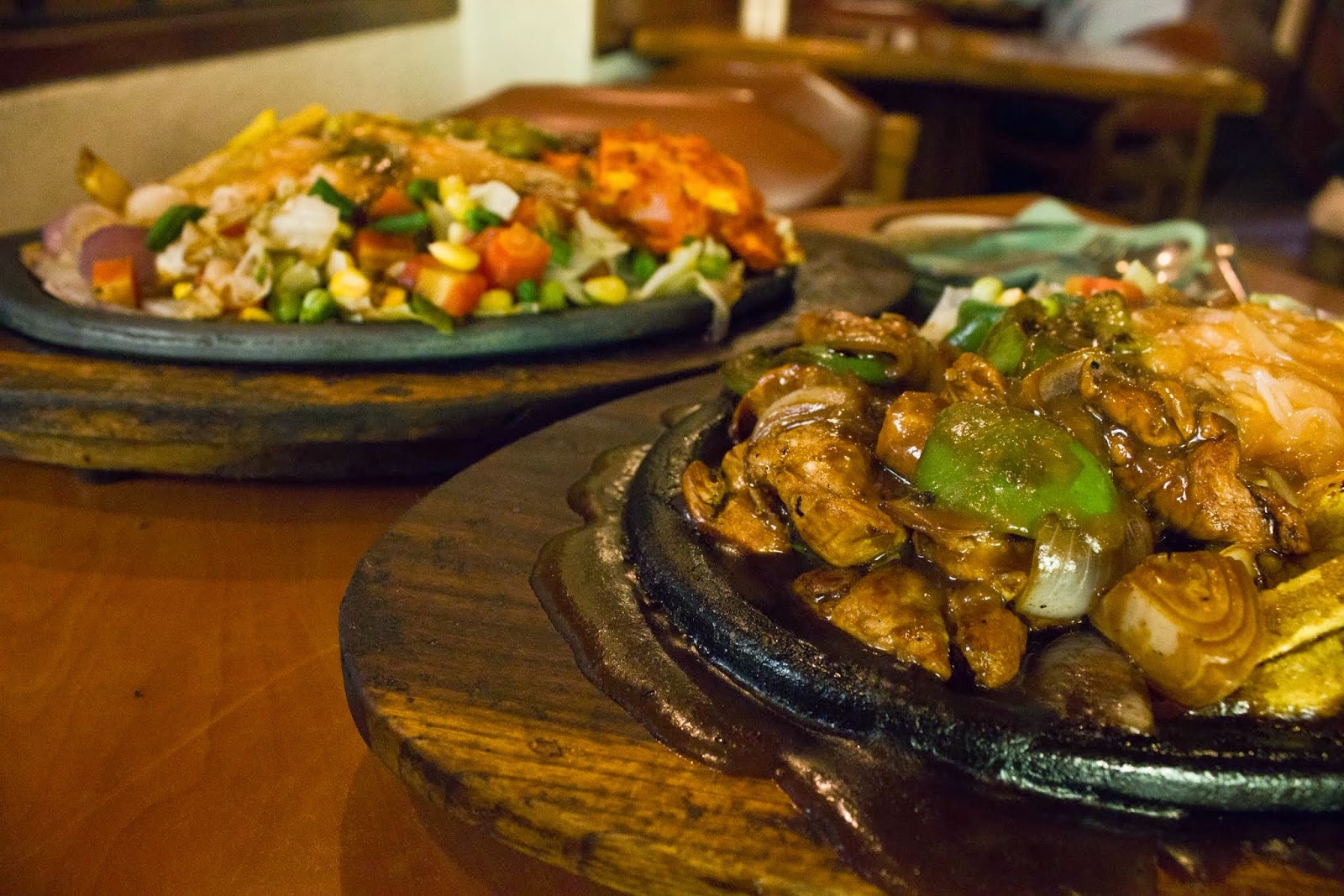
3. The Place, Touché The Sizzler


In 1963, Firoz Erani conceptualized a way to keep meats hot till the last bite and so he created The Sizzler, a quaint garden restaurant in the old Exclesior Cinema in Mumbai. In 1967 Erani’s son Shahrookh who had trained and worked with him started a restaurant called ‘Touché’ in Breach Candy, Mumbai which served ‘sizzlers’. In 1971 after moving to Pune, he continued his father’s legacy by opening The Place, Touché The Sizzler. Four decades later, The Place continues to be the ultimate sizzler joint for residents of Pune and Mumbai too.

4. Vaishali


In 1949, at the age of 13, Jagannath Shetty came to Pune from Karnataka and worked with his uncle for a few years. Then in 1951, he opened his own place Café Madras (present day Hotel Roopali) and then the Madras Health Home which later came to be known as Vaishali Restaurant in the 1960s. Located on the Fergusson College Road, Vaishali in those days was a tiny restaurant which served piping hot Udupi food and became particularly famous among youngsters from the many colleges in the area. Today Vaishali is one of the most popular restaurants in Pune and a favourite among young and old alike. Whenever you pass by FC Road, an aroma of Sambar literally draws you towards this place!

5. Cold Drink House


The Cold Drink House is probably the first place in Pune to serve doodh cold drink or ice-cream cold drink in Pune (Now popularly known as Mastani). Tucked away in a by-lane near Mandai, the cold drink house is run by the Gujar family and has been in operation 1923. Once you enter the shop, you are transported back to that era, thanks to the paintings, old photographs and advertisements for Kokam Sarbat and Brahmi Oil. They serve the Bajirao Mastani which is delicious, but their Mango Mastani is one of the best in Pune.

6. Garden Vada Pav


Started in 1972 by Kashinath Naiku and his mother Parvati, the Garden Vada Pav Centre has been serving yummy wada pav for over 40 years and three generations. Started as a hand-driven cart opposite the JJ Garden off M. G. Road, this place is hard to miss thanks to the hungry crowd surrounding the stall throughout the day! The vada preparation happens at the newly acquired premises nearby and the hot wadas are carried manually to the cart. The wada pav is served with raw onion, chura and pickled lemons. Voted as the best place to have Wada-Pav in Pune by food-bloggers and TripAdvisor, this place finds mention in a lot of guidebooks and food guides about Pune.

7. Vaidya Upahar Gruha


Vaidya Upahar Gruha was started in 1912 by Raghunath Ramchandra Vaidya who had migrated to Pune from the Konkan region. It was started near the bustling Phadke Haud Chowk in Raviwar Peth, at a time when not many Maharashtrians ventured into the food business. Over the 100 years, the ownership has stayed within the family and currently the place is run by Deepak Joshi, Vaidya’s great-grandson. The timings of the eatery were set by Joshi’s grandmother Sushila in 1960 as she had to look after the house along with the restaurant. The ‘Saturday off’ rule has been in operation since inception, to make sure that the staff is happy and can work in a better frame of mind! 

8. Café Goodluck


In 1935, Hussain Ali Yakshi started Good Luck Café after he acquired the premises from one Narayan Seth. Good Luck is one the oldest Irani places in Pune and now one of the last few left in the city. Since the inception of the Film and Television Institute of India (FTII) in 1965, Good Luck has been popular with the students who used to frequent the café, where one samosa with one chaai and a cigarette would cost one rupee. The café is famous for its various egg preparations along with the Baked Beans on toast, Bun Maska & Irani Chai. The café also served a range of sweet dishes which include the caramel custard, bread pudding and the fruit funny. 

9. Chitale Bandhu Mithaiwale


Following his father’s successful dairy business in Sangli, Raghunathrao (Bhausaheb) Chitale established Chitale Bandhu Mithaiwale in 1950 in Pune, Maharashtra. Operations began from a shop on the Bajirao Road in the heart of the city, which is still in existence. Eventually, one more principal outlet was opened at Deccan Gymkhana. After years of two operational branches, Chitale ventured across the city in the form of ten franchise outlets making the products accessible to a wider audience. Chitale generates a profound recall value for its Bakarwadi, a crisp and spicy Maharashtrian snack which sells at an average of 3000 kg everyday!

10. Dorabjee & Sons 


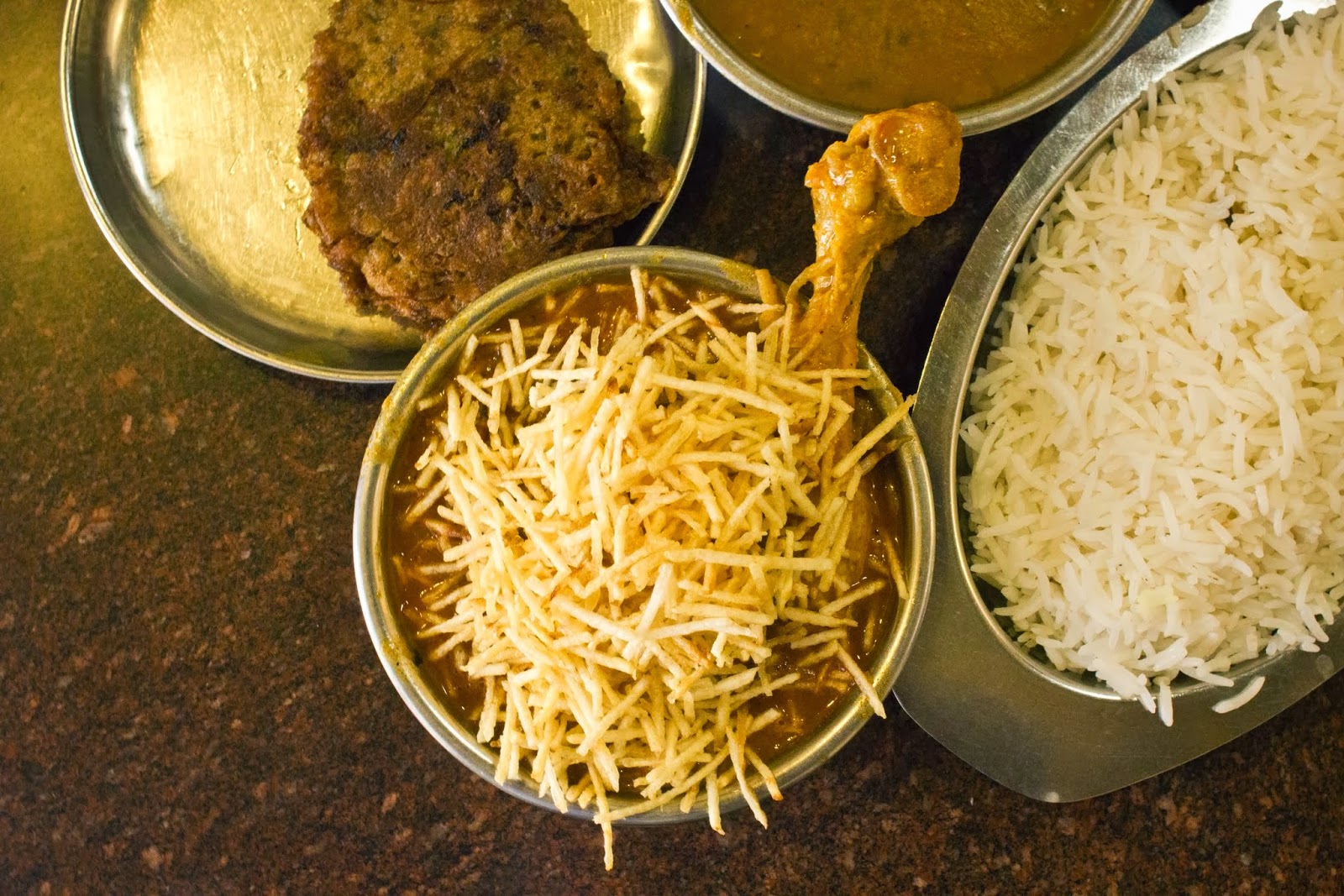
Dorabjee & Sons Restaurant was started by Dorabjee Sorabjee in 1878 with an aim to create a homely eatery which serves food that he enjoyed eating. He made sure that the portions are generous and affordable, so that his cosmopolitan friends could eat here and go away satisfied. 120 years later, Darius Dorabjee, the fourth generation descendant of Sorabjee, still honours this tradition. With specials like mutton & chicken dhansak with brown rice, patrani machhi, sali chicken and the chicken farcha, this place serves the best Parsi food in the city. Dorabjee is one of the very few places in Pune which serves the locally made cold drink – Ardeshir, which was established in 1884! 

11. Marz-o-rin


Marz-o-rin was founded by Sheriar Sheriyarji in 1965 with only four items on the menu. Housed in a heritage building over 100 years old, today Marz-o-rin has over 150 items on the menu and is one of the most popular locations in Pune. Marz-O-Rin loyalists come from far and wide just to eat the chutney, vegetable, chicken and cheese sandwiches. The menu changes with time and now it includes a lot of healthy options like low fat sauce, tofu, brown bread and salads.

12. Blue Nile


Blue Nile was started around 40 years back by Haji Ali Akbar Mashallah and is housed in a beautiful heritage building opposite Poona Club. Blue Nile is synonymous with Biryani in Pune and their loyal customers throng this place to get a taste of their favourite mutton and chicken biryani. Apart from Biryani, Blue Nile also serves Irani food items like Chicken and Mutton Chelo Kabab with Buttered Rice. 


The Western Routes conducts Food Walks in the old city to give travelers an authentic taste of Pune. Here are the details 

www.thewesternroutes.com/punefoodtrails
www.facebook.com/punefoodtrails

The Pune Food Trails are now the #1 Activity to do in Pune according to TripAdvisor. Click here to read the reviews!